Word for the Day from Gratefulness.org
The more alert we become to the blessing that flows into us through everything we touch, the more our own touch will bring blessing.
Brother David Stendl-Rast
The more alert we become to the blessing that flows into us through everything we touch, the more our own touch will bring blessing.
Brother David Stendl-Rast
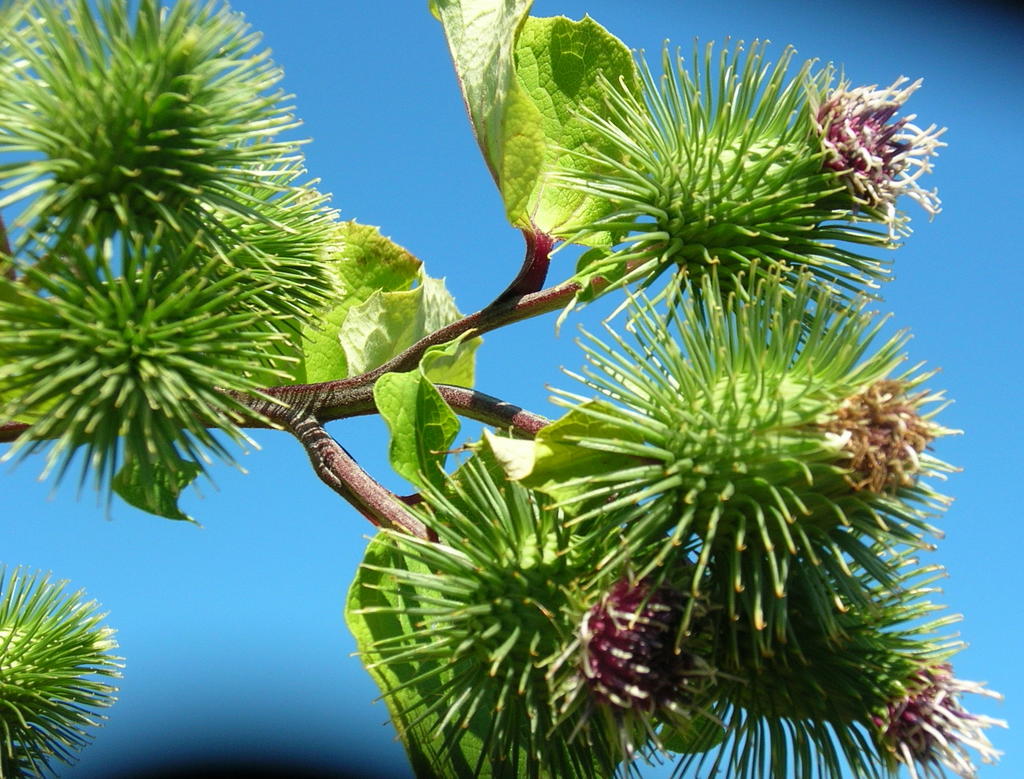
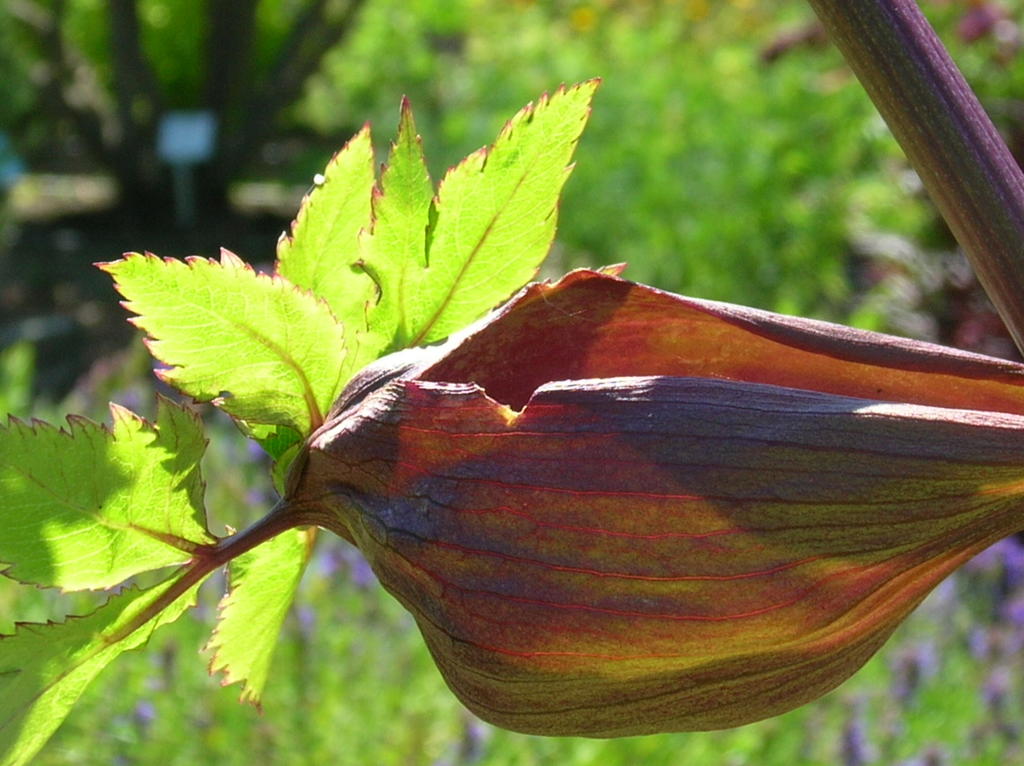
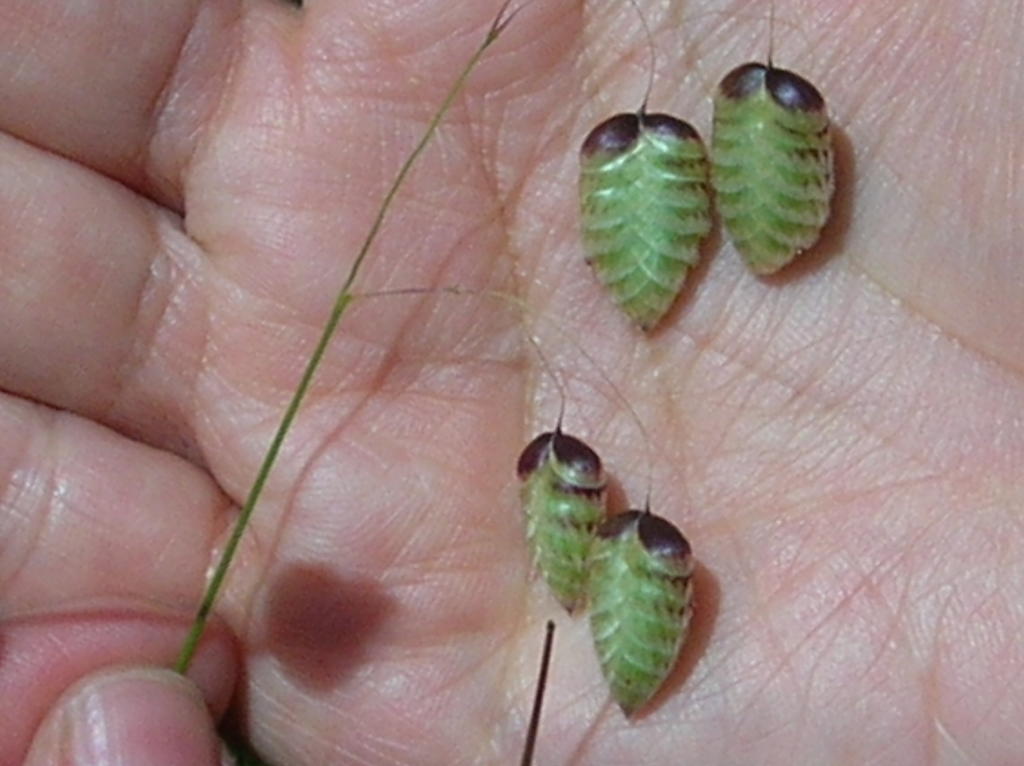
 Homeopathic medicines are infinitesimal and potentized dilutions made from just about any substance medicine-makers can get their hands on (including plant, mineral, animal, microbial materials) and some that they can't (moonlight, X-ray radiation). Just as with any medicine, there are commonalities amongst remedies that are derived from related substances. Categories such as the Plant, Mineral and Animal Kingdom remedies have some broadly distinguishing traits and patterns--and theory is that the patterns and themes of a particular substance are reflected in the physical symptoms, personality characteristics, the world-view, even the dreams, of a person who would benefit from the medicine made from that substance. I don't know what my homeopath friends would prescribe for me these days--in the past I've benefitted from two remedies that derive from sea creatures...but one is categorized as a mineral, because it's the shell that's potentized, and the other is categorized as an animal remedy. You can read some interesting notes about remedies made from sea animals here.
"Something within us already conduces toward heartfulness, and its nature is to grow with the merest effort. Aldous Huxley, asked on his deathbed to sum up what he had learned in his eventful life, said, "It's embarrassing to tell you this, but it seems to come down mostly to just learning to be kinder." And though I set out to write a more hardheaded, less softhearted (and perhaps les softheaded) book, I can onloy conclude the same.Five books that mean a lot to me
People living in arid countries have found a simple method of collecting water. They spread out sheets of fabric at night and siphon off the dew that condenses on them each morning. Like moisture, love really is in the air. It will settle upon the thinnest reed, scintillate on a bare tip of grass, free for the taking. It is an elixir that can heal, drop by drop, all the sorrow and separation in the world. It changes pretty much everything."
"We conducted that search with the cocky attitude that, regardless of how wary, Ivory-billed Woodpeckers would make enough noise (calls, double-raps, or bark-scaling) that our black-belt field commandos would find them just by getting within earshot. That attitude comes from plenty of experience with other rare and hard-to-find birds. Hard to see, yes, but nonetheless always revealing themselves by sounds to those who tune in. However, if Arkansas Elvis is any indication, we could have missed dozens of birds in the Pearl. Elvis is not only incredibly wary, seldom allowing more than a glimpse before flying off not to be relocated, but astoundingly quiet. If our birds behave like this, finding them wil require the stealth skills of a turkey hunter...It is tempting and perhaps reasonable to speculate that the last Ivory-billeds, under intense hunting pressure from humans, survived only because of the behavioral changes required to regard humans as deadly. If ducks and turkeys can develop such behaviors seasonally, longer-lived and probably smarter big woodpeckers could get this way fast."
We couldn't tell if it was a fire in the hills
Or the hills themselves on fire, smoky yet
Incandescent, too far away to comprehend.
And all this time we were traveling toward
Something vaguely burning in the distance --
A shadow on the horizon, a fault line --
A blue and cloudy peak which never seemed
To recede or get closer as we approached.
And that was all we knew about it
As we stood by the window in a waning light
Or touched and moved away from each other
And turned back to our books. But it remained
Even so, like the thought of a coal fading
On the upper left-hand side of our chests,
A destination that we bore within ourselves.
And there were those -- were they the lucky ones? --
Who were unaware of rushing toward it.
And the blaze awaited them, too.
Edward Hirsch
from Earthly Measures (Knopf, 1994)
 My schedule at work got confused the other day, and instead of being blocked out after 4:30 for a meeting, I was blocked out for the whole day. Oops! Oh, well, might as well go home, sit in the sun on the deck, and have baklava with a cup of sweet, hot, turkish "mud coffee" scented with cardamom, which my "adopted kibbutz mother" Judy gave me as a reminder of Israel.
The Hun is the aspect of Spirit that is completely unfettered by time and space. It's utterly free and can go anywhere, because it is the power of imagination, of creativity. It's the part of us that allows us to be always larger than our circumstances. Because of the Hun's ability to go anywhere, we can know that our own true size is the Whole Universe.
Sometimes if we can't see the way ahead, we lose hope and put the Hun in a box of preconceived restriction.
First the Hun flies,
then it figures out where it's going.
Hope does not rest on seeing the future.
Hope must precede vision.
Moses was a prophet of the Wood element: someone who, in an external situation of slavery, refused to be a slave internally. The untameable part inside is the Hun, is Hope, is like a bird circling, waiting for opportunity. It's the one who sees the problem in the first place who can be the greatest visionary, the one with the greatest solution, the one with the greatest Hun. Their tendency to anger is a sign that their soul is acutely aware of fairness and how often it doesn't manifest, and their route back to alignment with Tao is to transform excessive or stuck anger into visionary creativity.
"Our deepest pathology is our only hope of redemption."


