Saturday, March 25, 2006

spring tonic

Springtime is traditionally considered to be a good time to "cleanse the liver", or give it a nice restorative rest. One helpful practice is to choose not to eat foods that overstimulate the liver and gall bladder for at least a week or two -- fried and fatty foods, rich and sugary and salty foods, alcohol -- that is, those dark-of-winter holiday things that the bodymind craves for insulation and comfort when it's dark and cold and wet out for months on end. Not to mention dark.

As the sap begins to rise and the days grow lighter and muddier, our bodies begin to crave lightness, too, and to get the sludginess moving out. Eating bitter spring greens (dandelion, arugula, endive, chicory, mustard greens, and romaine lettuce is a little bit bitter too), which are little and tender and not so painfully bitter at this time of year, is a good way to gently stimulate liver secretion (bile production), which ferries
out through the bowels many of the metabolic waste products the liver generates in its everyday intelligence.

Another plant food/medicine we prescribe often as a a liver/bowel/blood tonic is radix Arctium lappa, or burdock root. For a liver cleanse regime, burdock root is used in fluid extract or tea form, but for everyday you can also find beautiful long burdock roots (gobo in Japanese) at an Asian grocery store like Uwajimaya, or a natural foods grocery like our Puget Consumers Coop, and include it in your exotic vegetable repetoire. Here is a Japanese recipe I like, which is not a "liver cleanse" recipe because of the oil, sugar, sake and soy sauce (hmm--that's pretty much everything that's in it)
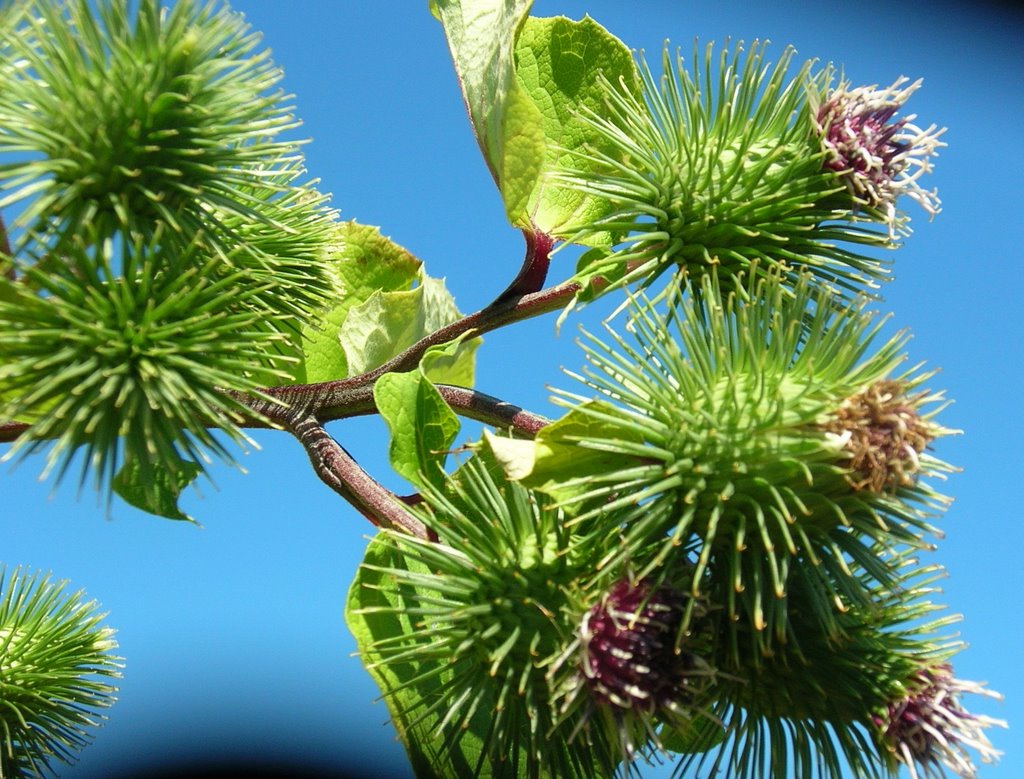
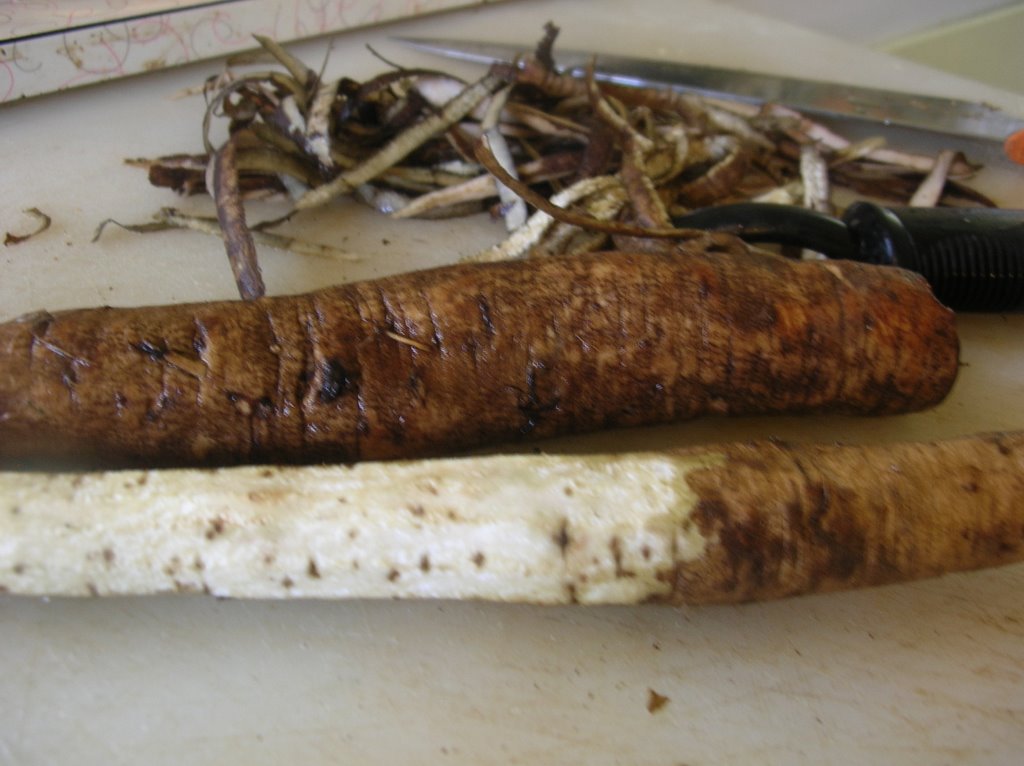
Burdock or Carrot Kinpira (Kinpira Gobo or Ninjin) (adapted from Japanese Cooking, A Simple Art, by Shizuo Tsuji):

1 medium burdock root, or 3 medium carrots, (I usually include both and sometimes I add turnip or rutabaga or parsnip or some other rooty veg)
peeled or very well-scrubbed
Oil for stir-frying
Cooking sake, a few TB
Soy sauce, a few TB
Sugar (I like brown sugar or sometimes honey in this recipe), 1 TB
1/4 tsp red pepper flakes or "Shichimi," Japanese "seven-spice mixture" which contains red pepper, roasted orange peel, yellow sesame seed, black sesame seed, Japanese pepper, seaweed, ginger, all ground up into sprinkles.
Sesame seeds and a scallion or two, sliced up, for garnish

Whittle the burdock into shavings, as if you were sharpening a huge pencil,
and put the pieces in a bowl of water to keep them from turning too dark. I usually roll-cut them, but they are more delicate and not so chewy if you use the shaving method. I like them chewy. Cut the carrots, if using, into julienne or roll-cut them too. To roll-cut, you slice off a piece of the end, at an angle, then roll the vegetable a quarter turn or so, slice off another angled piece, etc. This makes for a lot of the tender & delicious inner-vegetable surface area to hit the hot oil when you get to the stir-fry step, but the pieces are more substantial and interesting than the eqivalent-sized regular slice.
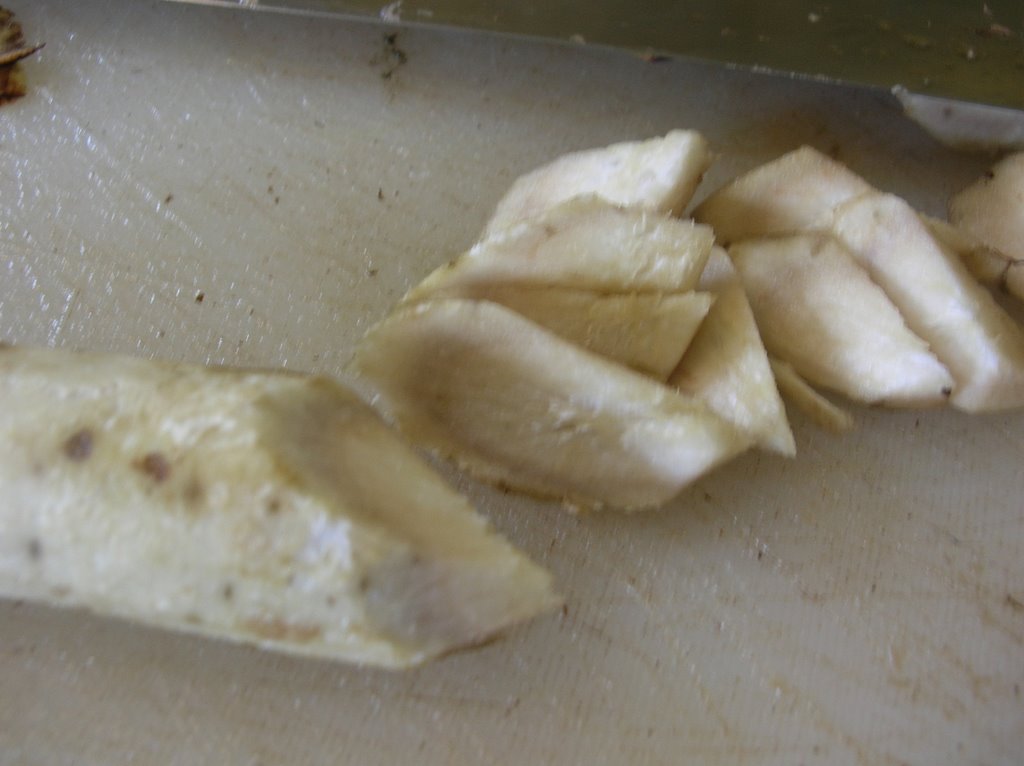
Heat a frying pan over high heat and add a few TB of oil, swirl to coat the bottom and when it's hot and ripply, throw in the vegetables and stir-fry for a few minutes until they start to soften up. You might have to turn down the heat a little to prevent scorching, depending on how sticky your pan is.

Then add the sake, soy sauce, and sugar or honey, reduce heat to medium high, and stir-fry till the liquid is thick and almost all reduced.
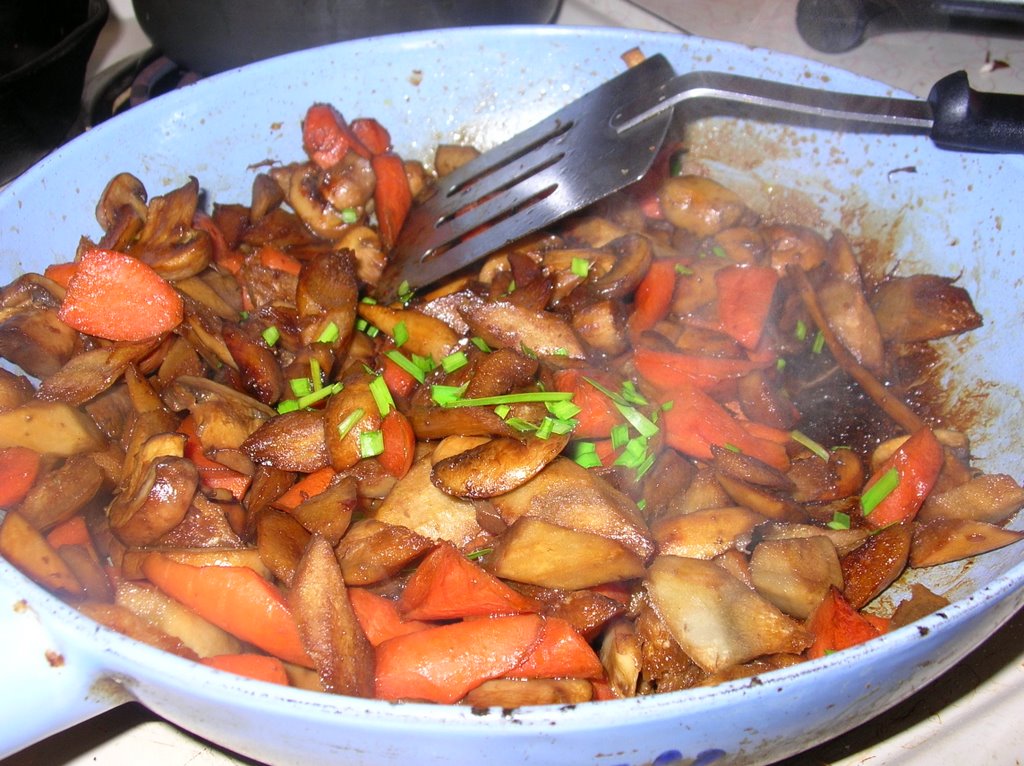
If it sticks and scorches, add a little more sake. Flavor to taste with the red pepper or seven-spice sprinkles.

I like to add a spoonful of not-ground-up sesame seeds and some finely sliced scallion on top.
Oh, but in the batch that's pictured I also added mushrooms (tasted good, texture was just OK) and I was out of sesame seeds.

Good hot or at room temp, with a little sake (good drinking sake, not cheap cooking sake) or Japanese beer (another reason not to be doing a cleanse when you make this dish!)



Sunday, March 12, 2006

time large and small

Caffeine is time's Viagra.
Mark Morford, San Francisco Chronicle columnist, in his Notes and Errata column this week called "Let's All Get ADD! What do coffee, cell phones, the Net, stress and sleep drugs have in common? You, silly" adds,
We equate deranged, caffeinated busyness with smarts, with success, when in fact the exact opposite is true. Just ask the yogis, the gurus, the healers of the past 5,000 years: It is actually when you calm the mind, clear things out, breathe deep and sleep deeper and clean out the toxins and the caffeine and the Ambien, that's when real wisdom, real intuition comes your way. The rest is just, well, noise. Happy delicious annoying caffeinated sexy fun infuriating obnoxious unstoppable noise, but still noise.

But not to worry. They'll soon develop a pill to block that, too.
The amazing and adorable Eric Francis, who is my favorite astrologer, and used to live on Vashon Island near Seattle, but now lives mostly in Paris and sometimes in Brussels, talks about time this week, too, in an essay on the coming lunar and solar eclipses:
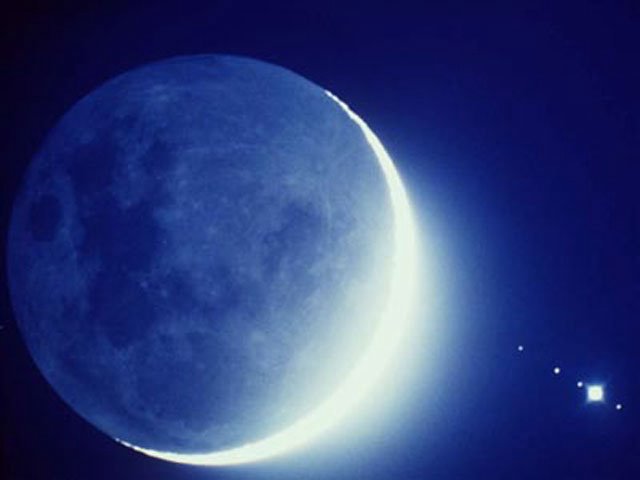
A lunar eclipse presents a nice image of the concentration of time, which we can work with consciously. It begins as a Full Moon. Then, perhaps half an hour later, the Moon is dark; then half an hour after that, it is full again. It's as if we live a month of experience in two hours. But if you consider that the effects of the eclipse radiate out, it's more like we live through the energetic equivalent of a year in a day. Imagine if that actually happened, how disoriented you might feel: going to bed and waking up a year later.

In a sense, we get an antidote to 'speeding time' by pushing the concentration even further. An eclipse is like a massive homeopathic dose of time.

Read the rest of the Eclipse Trip here.

Friday, March 03, 2006

making up stories, and glass like light compressed

"Bless the spirit that makes connections,
for truly we live in what we imagine."
Rainer Maria Rilke
(as always, thank you to Joe at Panhala for sending out the perfect selection each morning)
(the archive of which is unfortuntately no longer public due to copyright complaints, but you can subscribe to the daily poem by sending a blank email to Panhala-subscribe at yahoogroups.com)

I have just lately been trying to pay attention to some of the stories I make up from moment to moment--most of the time, they are such passing thoughts and I never see them again. But if, as Rilke says, our true lives are in our imaginings, then by letting mine slip by without noting them I might be missing parts of my life!

Today on the way home from my friend Roger Nachman's studio (visit Roger's site and look at his glowingly beautiful glass art--such a "healing art")
I drove past a few schools whose playgrounds were full of shouting and laughing and the running bodies of children let outside on a beautiful day--yes, today was actually a sunny day in Seattle ;-)

At one of the schools (on NW 80th, near Aurora, or maybe it was near Greenwood), on the edge of the sidewalk between the chain-link fence surrounding the playground, and the very trafficky city street, were a series of rectangular grass strips. One of the rectangles (just one!) was popping with many scattered white and yellow daffodils, and blue crocuses, a tiny patch of meadow in the city. In my imagination, I clearly saw a group of children and their teacher on a much colder day some months ago, carefully or haphazardly digging holes and dropping flower bulbs into them (or not--maybe just digging to dig) and then being thrilled to see their class project emerge from the ground like magic. I am always entirely thrilled to see something I've planted peek its tender new self out of the ground, and I'm so glad that the children there (or, in my imagination, anyway) got to have that feeling, too. And really glad for as many more signs of spring as I can find, or make up.

Wednesday, February 22, 2006

halfway up the mountain

Thoughtful and provocative new webl, Radical Torah: Sources for the Jewish Social Action Community, "features multiple takes on parshat hashavua (the weekly Torah portion), as seen through the lens of progressive religious and political viewpoints. The project seeks to create a resource of authentically Jewish responses to pertinent social justice issues, timed in accordance with their relevancy to the Jewish calendar."

From this week's parashah, Mishpatim, Danya Ruttenberg writes "Beyond Mysticism":

"...Right after the vision of God, Moses continues up the mountain, leaving his friends behind...He ascended higher up the mountain. Into a place not about visions, but about commandments. Into a place not about experiences, but rather, covenant. Moses, here, accepts his (and Israel's) half of the responsibility for a relationship with the Divine. It's not about getting something cool (theophany, mysticism) but rather agreeing to give something...Moses, after all, didn't just see God, he spoke to God "panim al panim," face to face. He didn't just have an experience of God, he had a relationship with God. And while theophany is fleeting, sometimes hard to control, a relationship is something more stable, lasting, and accessible at all times. Mystical experience is great, but it's only halfway up the mountain. Perhaps every now and again it's worth asking ourselves what we might be able to offer God, instead."

Sunday, January 29, 2006

happy red fire dog year

Happy Red Fire Dog Year, the first day of the Lunar New Year 4704!
Donut, who is also known as Donut-Ponut (lying with her Hedgehog)

Friday, January 27, 2006

how the heart hardens

I have wrestled a bit with the part of the Moses-Pharoah-Exodus story where it says that "god hardened Pharoah's heart"--in that case, whose responsibility is it that the Egyptian people in the myth suffer through all those plagues? Whose choice was it, if Pharoah would have given in, but for his heart being hardened against his will?

So, I am happy to read this interpretation from a much more muscular wrestler than I am, Rabbi Arthur Waskow of The Shalom Center. This piece of his is posted at a new group blog, Radical Torah, "a weblog which features multiple takes on parshat hashavua (the weekly Torah portion), as seen through the lens of progressive religious and political viewpoints. The project seeks to create a resource of authentically Jewish responses to pertinent social justice issues, timed in accordance with their relevancy to the Jewish calendar."
Perhaps the greatest archetypal tale in all of human culture about addiction to top-down, unaccountable power is the story of Pharaoh in the Book of Exodus.

Now, today, we are seeing this tale lived out before our own eyes. The present government of the United States has become so addicted to its own power, so swept away by its own arrogance, that it is playing out the tale of Pharaoh.

And the US government is not alone: the present government of Iran is talking like Pharaoh; Al Qaeda acts like a mini-Pharaoh.

Pharaoh begins by hardening his own heart to the plight of the poor and powerless, and after a series of disasters (the "plagues") brought on by his own arrogance, his addiction takes over.

God – read "Reality" – takes over, and from then on it is God Who hardens his heart.

What is this like? — Use heroin once, twice, thrice – and you are making a free choice. But at some point the addiction takes over, Reality takes over, God takes over. Now it is the heroin that is doing you, not you doing heroin.

If you choose hard-heartedness so long you get addicted to it, at some point you are no longer choosing: God, Reality, is hardening your heart.

...

Even when Pharaoh's own advisers shriek at him, "You are destroying Egypt!" he can no longer turn back.

Pharaoh has so addicted himself to his own uncontrollable power that he can no longer make a free choice. Unfortunately, when people who have great power insulate themselves in arrogance, the disasters they create do not wound only themselves. They wound the whole society...

Read the rest here.

Wednesday, January 25, 2006

slow light

Hmmm. Not blogging for a few weeks is a tiny bit like not sending out holiday cards for the past 4 or 5 years (or maybe it is 6). The time has been so full, I wonder: where shall I start?

But that's too daunting. Instead, I'll just start here, and say that this morning the sky was clear--so rare in the past few months--and the sun was angled low in the sky like it is all winter, and casually brilliant. I so much appreciate days like today when none of my things-to-do are too precisely time-bound. How luxurious to roll very slowly along in the morning commute traffic, and not feel hurried. To be able to notice all of the trees growing on the freeway covers and be filled by the sunlight glinting on the mountains and the lake, and know that it will be fine with my friend Jana whether I arrive at her house at 9 or 9:30 or later.

By lunchtime it was raining again (though the chill was warmed by getting to have lunch with Rabbi Ted!)

And now, in the dark, I'm still full of the slow light of this morning.
This Pillar of Sun, taken in Maine by Lucy Orloski, is from the NASA Astronomy Picture of the Day site

Friday, January 06, 2006

floating past the bridges

"...You know how a good bass player is just there, in the music, not the main thing but just a continual presence. This dissertation is always there, no matter where I live or what I do for work or how I feel.

Okay, so I was working on my dissertation the other day, and I encountered a new reality. Stepped right through the filmiest of barriers to this other side.

I realized that I'm done. This dissertation is done."
Congratulations, Jeff! I'm so glad you're inviting us back to cross the rio-grandio with you again!

Thursday, January 05, 2006

life is the only way to rise on wings

A lovely selection via Panhala, by Polish poet and Nobel laureate Wislawa Szymborska:

A Note
Life is the only way
to get covered in leaves,
catch your breath on the sand,
rise on wings;

to be a dog,
or stroke its warm fur;

to tell pain
from everything it's not;

to squeeze inside events,
dawdle in views,
to seek the least of all possible mistakes.

An extraordinary chance
to remember for a moment
a conversation held
with the lamp switched off;

and if only once
to stumble upon a stone,
end up soaked in one downpour or another,

mislay your keys in the grass;
and to follow a spark on the wind with your eyes;
and to keep on not knowing
something important.

~ Wislawa Szymborska ~

Saturday, December 24, 2005

everything is waiting

My friend Bruce said something in an ImagineCascadia (more on that another time) email conversation that reminded me of this favorite poem by Whidbey Island poet David Whyte :

(I first got to hear David recite this in his wonderful and inimitable style during a conversational presentation that was recorded and is available as "A Change for the Better: Poetry & the Reimagination of Midlife"):


EVERYTHING IS WAITING FOR YOU
(After Derek Mahon)

Your great mistake is to act the drama
as if you were alone. As if life
were a progressive and cunning crime
with no witness to the tiny hidden
transgressions. To feel abandoned is to deny
the intimacy of your surroundings. Surely,
even you, at times, have felt the grand array;
the swelling presence, and the chorus, crowding
out your solo voice. You must note
the way the soap dish enables you,
or the window latch grants you freedom.
Alertness is the hidden discipline of familiarity.
The stairs are your mentor of things
to come, the doors have always been there
to frighten you and invite you,
and the tiny speaker in the phone
is your dream-ladder to divinity.

Put down the weight of your aloneness and ease into
the conversation. The kettle is singing
even as it pours you a drink, the cooking pots
have left their arrogant aloofness and
seen the good in you at last. All the birds
and creatures of the world are unutterably
themselves. Everything is waiting for you.

NJ teasing the Pacific

Friday, December 23, 2005

sugared ice

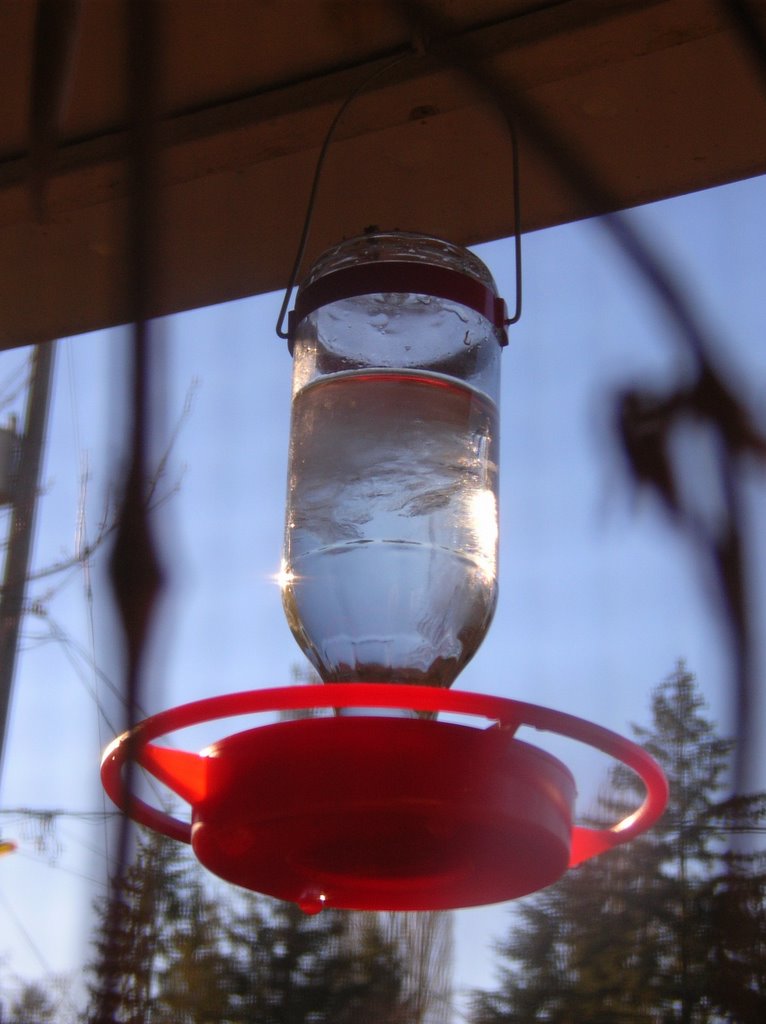
The hummingbird feeder outside our dining room window had ice in it the other day! But only partially, and only till the afternoon. The hummingbirds who live in our neighborhood are the most audible birds around at this time of year, with their chp chp chp chp chp coming from various high-up places.

Wednesday, December 21, 2005

An Improbable Prayer

From Phelim McDermott, artistic co-director of Improbable, a theater company in the UK-- an open space manifesto from before he knew about "open space":

An Improbable Prayer.


We will say we don’t know when we don’t know.

We will say we are scared when we are scared.

We will not pretend everything is ok when it isn’t.

We will never ask a performer to do something we wouldn’t be prepared to do ourselves.

We love performers.

We believe they often know more than the director.

We love the audience.

We believe they often know more than either the performers or the director.

Anyone is free to leave at anytime.

It is better to leave than to be there and not really be present.
If someone leaves we will do it.

A comedy store joke in serious theatre is just as valuable as serious theatre at the comedy store.
We will never do something just to be different.

We will be prepared to be obvious.
When things get scary we will stay awake.

When things get scary we will look after each other not ourselves.

We will have a good time.

The audience see everything.

Monday, December 12, 2005

metaphorest walk

With the light and warmth of gathering around glowing embers on a dark winter day: I am grateful to see that Chris Weaver at metaphorest walk is blogging again.
preparing for liftoff

it is the night of la guadalupana
and each one of a trillion brown oak leaves
(now on the ground) turns
his leathered elder face in a light wind
to face the sky, eyelids closed beneath
the endless black branches of his mother
tree as she swings under the clouds,
each old face awaiting a kiss
from a snowflake, spiraling
downward from the unseen stars,
a gift

for a job well done

posted by chris weaver dec 11 2005

Sunday, December 04, 2005

gratitude experiment

My friend Emma sent me the link to Stacey Robyn's very sweet Go Gratitude Experiment, a "journey together into the core of Gratitude," which begins with this brief flash video.

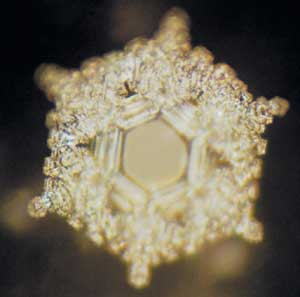
Inspired by Masaru Emoto's photos of water crystals, which he says are evidence of water taking on the shape of the intentions and energies poured into it, Stacey Robyn describes her vision of:
"... a wake of Gratitude rolling across our planet, re-connecting our water bodies to Love . Passed person to person, heartbeat by heartbeat, this wake would roll through our bodies - mostly water - to create a massive tide of change by simply focusing on Gratitude."


gratitude-water-crystal
masaru emoto

Wednesday, November 30, 2005

habitat jam


The government of Canada will be hosting the 3rd session of the United Nations World Urban Forum, in Vancouver from June 19-23, 2006, with the theme of "Our Future: Sustainable Cities -- Turning Ideas into Action.

As part of the preparations for the Forum, the Canadian government, IBM, and UN-HABITAT (the United Nations Human Settlement Programme) are sponsoring what they hope will be the largest internet conversation to date, the "Habitat Jam", beginning tomorrow, Dec. 1, through Dec. 3. Anyone who wants to add their voice is invited to participate, and input will be gathered and analyzed in order to influence the agenda of the Forum in June.

"The Habitat JAM is about adding your ideas into the global conversation about the future of our cities. It's about having your say on important issues that affect you. It's about building new global networks of people who wouldn't have connected before. It's about working together across the globe to find solutions to critical urban problems."

I think registration is still open, till 15:00 GMT (7 am here PST)

Saturday, November 12, 2005

devotional moon


Ready for Silence

The devotional moon looks into
the heart and is in the heart.

When the heart has a Friend like
you, the universe cannot contain

their pleasure. Anyone warmed
by sun feels courage coming in.

If grief arrives, you enjoy it.
Generosity: that's your hand in

my pocket giving your wealth away.
Yet you run from me like one

raised in the wild. Here comes
this strange creature: me, in a

hands-and-feet shape! The formless
tries to satisfy us with forms!

A transparent nakedness wearing
pure light says, Blessed are those

who put on gold brocade! You may
not see him, but Moses is alive,

in this town, and he still has his
staff! And there's water and thirst,

wherever and however water goes, and
the one who brings water. The morning

wind broke off a few branches in the
garden. No matter. When you feel

love inside you, you hear the
invitation to be cooked by God.

It's that creation the heart loves.
For three winter months the ground

keeps quiet. But each piece of earth
knows what's inside waiting: beans,

sugarcane, cypress, wildflowers. Then
the spring sun comes talking plants

into the open. Anyone who feels the
point of prayer bends down like

the first letter of pray. Anyone who
walks with his back to the sun is

following his shadow. Move into your
own quietness. This word-search poem

has found you, ready for silence.
- Jelaluddin Rumi

from the pure and beautiful exploration of mystery at whiskey river

Saturday, November 05, 2005

language of the divine

From Rabbi Marc Gafni of Bayit Chadash("A new home for ancient souls"), in the Dec-Feb issue of What is Enlightenment? magazine:

"...The Zohar says that we are God's name--we're God's verbs, we're God's adjectives, we're even God's dangling modifiers. We're the language of the divine in the world, and in that way, we become the voice of the meshiach--the messiah. Anything less than the realization of that is called, in the inner mystical tradition, heresy. The core liberation teaching of Kabbalah is that to be a heretic is to believe that God does not need me, that I am not required to participate in the evolution of God. But enlightenment means we participate in divinity; we don't just submit to it by responding to the evil and suffering in the world with a traditional theology or a theodicy.The ultimate response to the suffering of the world is, like that of the Hebrew mystic, to cry in protest and to let that protest translate into action. I call this nondual humanism, which means that I participate in God's evolving self, now.

As the great nineteenth-century Hasidic master Nachman of Bratzlav implied, the most important thing in the world is to be willing to give up who you are for who you might become. He calls this process the giving up of pnini, which literally means "what is within." For Nachman, that means the old, familiar thing that comforts even when it no longer serves--and that can include our spirituality and religion, and even the very core way we understand our relationship to the divine ground of being..."

Tuesday, November 01, 2005

kaffeeklatsch with god

I Got Kin

Plant
So that your own heart
Will grow.

Love
So God will think,

"Ahhhh,
I got kin in that body!
I should start inviting that soul over
For coffee and
Rolls.

Sing
Because this is a food
Our starving world
Needs.

Laugh
Because that is the purest
Sound.

~Hafiz
version translated by Daniel Ladinsky, The Gift


macchiato,
the contribution to last week's Photo Friday
(the challenge/theme was
"Delicate")
from Andrea Scher of Superhero Designs

Saturday, October 29, 2005

heavenward

Strive each day to make your life purer, richer, and more luminous.
You will subtly and imperceptibly lead all of creation heavenward.

Omraam Mikhael Aivanhov

from: Word for the Day, Gratefulness.org

Friday, October 28, 2005

garments of god

Rabbi Shefa Gold writes about blessings, challenges, and spiritual practices for every weekly Torah portion. This week we begin again at the beginning, with the first word of the first chapter of the first book, B'reishit ("in beginning," "in a beginning," "with beginning")(there's no "the" included in there, by the way). Remembering and reliving the energies of creation.

"Every Shabbat celebrates the Creation and thus the re-creation of our world. Creation begins with Light, which is
another word for consciousness. The Zohar, in describing creation says, "The silkworm wraps itself within and makes itself a palace. This palace is its praise and a benefit to all." God wrapped us within garments of skin (Or) which is Light (Or) made dense. Our journey of consciousness/Light leads us through embodiment, which is the palace of existence...

… The first practice is called, 'Seeing the world without its clothes on.' Sit outside in a place of natural beauty and power. Close your eyes and gently let go of every thought. Return to the knowledge that the world before you consists of the garments of God. With each out-breath, allow the world to undress, with each in-breath, breathe in the light that shines out from within Creation."


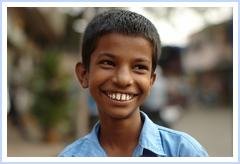
Thank you to Thomas for responding to my use of that phrase "garments of god" this morning by sending this beautiful Flickr photo by Willem Velthoven of a boy in Mumbai, glowing in his skin of Light.


Thursday, October 27, 2005

bet alef banner


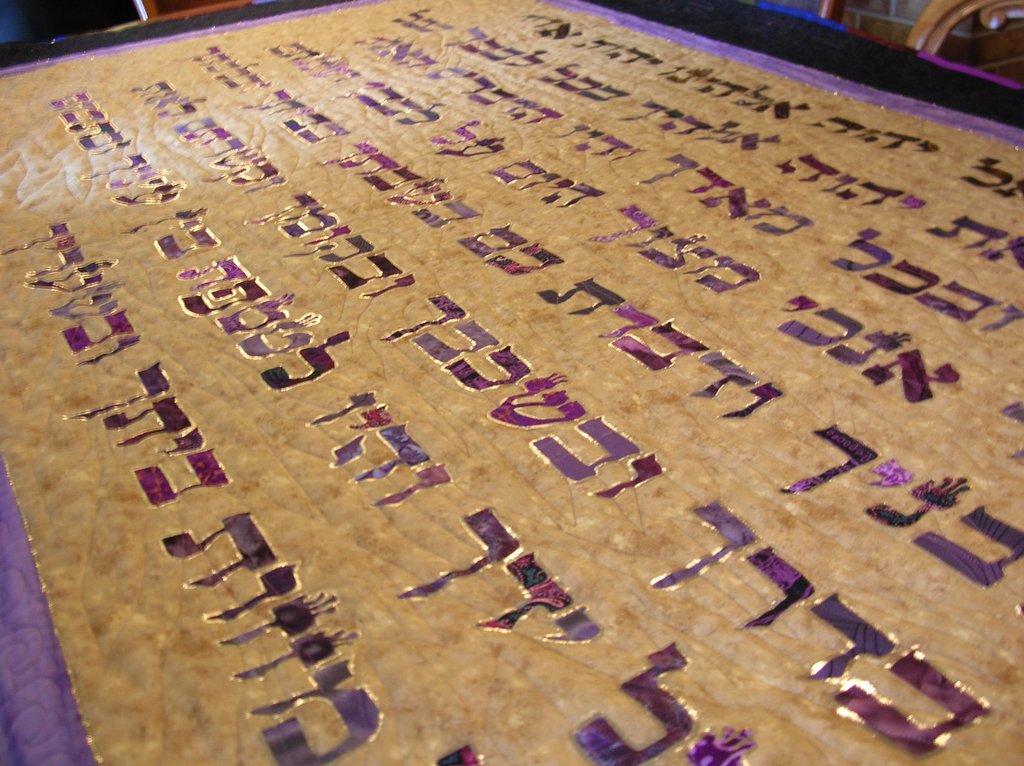
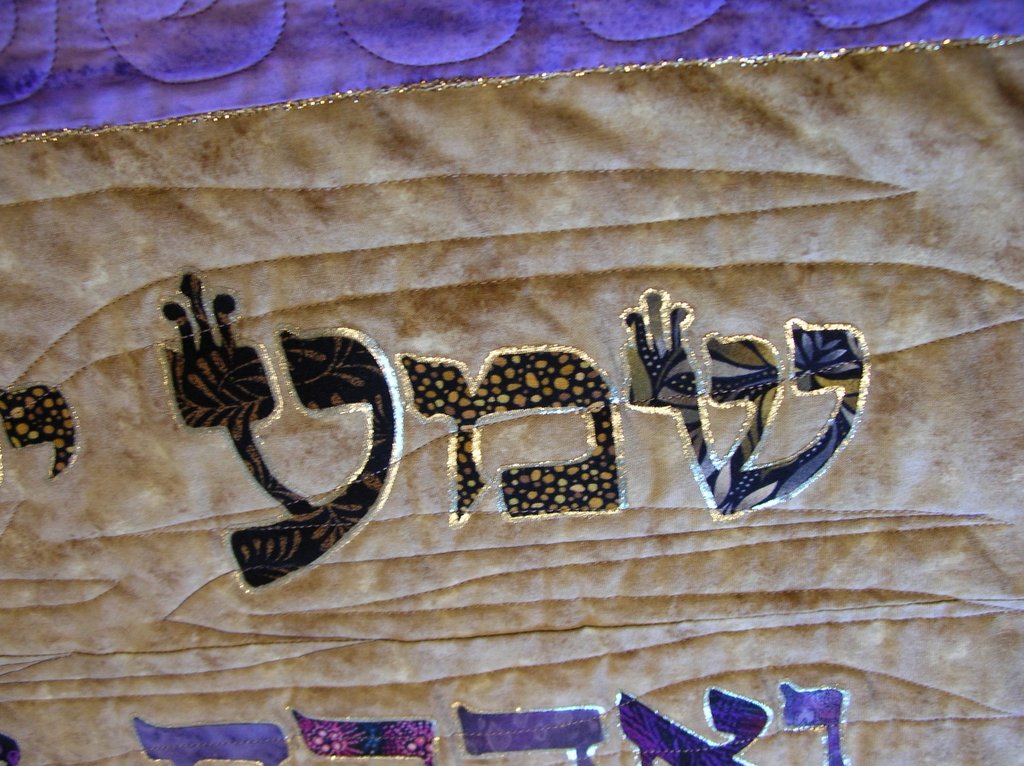
These photos give just a little fragrant hint of this very beautiful and glowing quilted banner, designed by member Elizabeth Burton of Bet Alef Meditative Synagogue, fused and stitched up by Elizabeth and more volunteers, and commissioned by a large proportion of the whole congregation. It was presented to the community last Shabbat. The Hebrew letters spell out the words of a core wisdom of Judaism: the Shema including the V'ahavta (declaration of Oneness and Love). Member families had the opportunity to contribute by "buying" one of the letters for the banner. Parts of the border are made from bits of fabric that have significance to people in our community.

I hope you will have a chance to come see it up close. You will be dazzled!

Wednesday, October 26, 2005

every day a good day to help

It is almost the end of this "blog quake day," but there's never a better time than right now to send support to those doing relief work.

This blog-quake-relief-day was organized by Ash at Desipundit (where there is good list of effective relief organizations accepting donations; I also like Mercy Corps), provided with a logo by Sepoy of Chapati Mystery, and orginally inspired by Anna of Sepia Mutiny, who quoted the BBC news article reporting that
People in India’s Andaman and Nicobar islands are yet to recover from last year’s tsunami, but they are now helping South Asia quake victims.…A senior official of the Andaman and Nicobar Chamber of Commerce and Industries, Mohammed Jadvet, said the first consignment of relief materials included 200 tents, over a 1,000 blankets and three tonnes of biscuits.
and then suggested that "We have no excuse, when those who have so little are giving so much."

Monday, October 24, 2005

one place, one face


If I were you, and I am
I'd let the question take my hand
If you were me, and you are
You'd let the question take your heart

It's all one Place

It's all the Original Face

~Stuart Davis

Saturday, October 22, 2005

microcredit "loans that change lives"

From Worldchanging.com, via NextBillion.net, is the story of Kiva, a charitable organization that lets individuals make small loans (starting at $25) to other individuals in rural areas of the developing world (currently, they are all in Uganda) who have, or are starting, their own businesses. Since it's a loan, the lender receives the money back (without interest) 6-12 months later, as well as receiving e-mail updates on the businesses you choose to sponsor. Kiva was founded by Jessica and Matthew Flannery, who have experience in microcredit development in Africa, and in software engineering.

From their About page:
Kiva is the first and only existing option for you to make a loan to a unique microenterprise. No other organization offers the opportunity to loan - instead of, or in addition to, making a donation - to a real person and then get your money back. Furthermore, when you loan to a Kiva business, every dollar you loan goes to that business. Kiva is a very low-overhead organization that raises money offline to support its small budget. None of the money you loan goes to fund administrative costs.

Direct, real-time, one-to-one connection. The individuals featured on our website are real people who need a microloan. They are waiting for socially-minded individuals like you to lend them money. They will not receive a loan until a Kiva lender provides it. Our data is real, not representative. Once funded, sponsored entrepreneurs are diligently tracked and the real results of their efforts are propagated through email updates and on our website.

I love that you can read about the people whose businesses are being supported, and follow along with how they're doing.

Wednesday, October 19, 2005

the bliss of with

The Bliss Of With

I
You have come to me out of antiquities
We have loved one another for generations
We have loved one another for centuries

You teach me to trust the voice of my voices
You teach me to believe my own believings
You touch the palpability of my possibilities

Together we reflect what our mirrors conceal
Together we upgrade the sun in our meridians
We remain open night and day to transcendence

You are incompletely disguised as a mortal
You are the eternal stranger I have always known
I saw your wings this morning

by James Broughton (also known as Big Joy)

and who said in an interview:

Most poets, like most people, try hard to be like someone they admire or they are possessed with an image of what they ought to be. Trusting your individual uniqueness challenges you to lay yourself open. Wide open. Some artists shrink from self-awareness, fearing that it will destroy their unique gifts and even their desire to create. The truth of the matter is quite opposite. Consciousness is the glory of creation. And remember Gertrude Stein’s comment, “It takes a lot of time to be a genius. You have to sit around so much doing nothing.”

Sunday, October 16, 2005

pandemic flu, earthquakes, and taking care of each other

(cross-posted to Original Medicine)

Last week was Pandemic Flu Awareness Week, organized by the folks who started the Flu Wiki, which is an international collaborative project aimed at collecting useful information and guidelines to share with communities and individuals for planning and preparing in the event of an influenza pandemic. There is excellent information there on influenza history, epidemiology, immunology, etc., as well as suggestions for public health considerations and areas communities and individuals would do well to consider beforehand.


There was indeed much more information in the news about pandemic flu preparedness (or, in most cases, the acute lack of preparedness so far) than there had been before the collective mind had been put on alert by Hurricane Katrina. King County executive Ron Sims convened a Business Forum on Pandemic Flu in the Seattle area, telling the 75 attendees, “This is the one that keeps me up at night,” and "spoke of 'devastating consequences' and 'extraordinary measures' that will follow when – not if – the avian flu virus mutates to allow human-to-human contact and attacks the globe." There was discussion of, and lots of commentary on, the federal government's preparedness plan (still in draft form, not publically released yet) in newspapers and in blogs.

DemFromCT at The Next Hurrah suggests that "We don't all need to turn survivalist today, but educating ourselves about the potential risks and keeping up with the news is a prudent thing to do. Some preparation efforts will serve you in a hurricane, a blizzard, a blackout or an earthquake. The difference with pandemic flu is that everyone is affected, and that's another thing to keep in mind (you can't expect huge amounts of help from a neighbor state)."

and, writing also at The Daily Kos says, " So what's a reasoned approach? In a nutshell, plan for the worst and hope for the best. All this discussion, this hype, if you will, is designed to teach people that the reality of a pandemic is real and that planning is worthwhile and can save lives. it also should teach everyone in Congress and the WH that having an intact public health apparatus (as my Flu Wiki colleagues the reveres at Effect Measure put it) that it's core public health functions (surveillance, vital records, maternal and child health, substance abuse, communicable disease, immunization, etc., etc.) that have been shafted and need to be built up. First responders are part of that. We should have learned that from 9/11, another teachable moment, but instead funds to support them have continued to be cut."

Such an important part of an "intact public health apparatus" is the strength of community relationships and networks. Remembering that "primary care" and "first response" begin with taking care of ourselves and our friends and relations, at the same time or before we turn to "experts" and "authorities". Knowing our neighbors and neighborhood resources, knowing who might need what kind of support if all the schools and stores and pharmacies are closed for a while.

Also see The Emergency Toolshed at global villages for some good ideas (thank you to Lucas Gonzalez, an Open Space friend and a physician in the Canary Islands, for a lot of this information).

Saturday, October 08, 2005

new spaces

In just this past week, three inviting new spirit-infused community on-line spaces have been opened up:

The Easily Amazed Forum, hosted by Ashley, a place to explore, wonder, notice, exclaim
The Open Space Sangha group blog, hosted by Wendy, "A place to grow our community through sharing practices that deepen our experience of Spirit and Being in Open Space"

And the Bet Alef Meditative Synagogue On-line Community wiki web, a place to share experiences and to deepen our being in touch.

The timing of beginning to invite participation this week is very sweet:

This was the week of Rosh HaShanah, the beginning of the Jewish calendar New Year. "Rosh" means "head", or "beginning," and "Shanah" means "year"--but also, like all Hebrew words, "shanah" derives from a root, a combination of letters that has over time given rise to many words. Each word, then, is a mandala of inner meanings all connected to the root, and one of the root cousins of "shanah" is "shinui" which means "change"; one of the inner vibrations of Rosh HaShanah is Beginning of Change. (thank you to Amy and Olivier for this teaching!)

And astrologically, t's a charged-up time. My favorite astrologer, Eric Francis, writes:

WE ARE IN the interval between two eclipses. Think of it as a hidden valley of time; like a waking dream wherein our actions are more influential and symbolically meaningful, and where we are more impressionable. The intensity of the relationship between our individual minds and our environment shifts to a higher level of intensity, and the decisions we make have greater sway over the course of events. (read the rest here and subscribe here)

Tuesday, October 04, 2005

wildpeace

From Joe at Panhala, a "bonus track" for subscribers, to note Rosh HaShanah, the birthday of the world, and the beginning of Ramadan, a month of special blessing (these potent holydays coincide this year and for the next couple, and then not again for another 30+ years).


What actions are most excellent?

To gladden the heart of a human being.
To feed the hungry.
To help the afflicted.
To lighten the sorrow of the sorrowful.
To remove the wrongs of the injured.
That person is the most beloved of God
who does the most good to God's creatures.

~ Muhammad ~

Wildpeace
Not the peace of a cease-fire
not even the vision of the wolf and the lamb,
but rather
as in the heart when the excitement is over
and you can talk only about a great weariness.
I know that I know how to kill, that makes me an adult.
And my son plays with a toy gun that knows
how to open and close its eyes and say Mama.
A peace
without the big noise of beating swords into ploughshares,
without words, without
the thud of the heavy rubber stamp: let it be
light, floating, like lazy white foam.
A little rest for the wounds - who speaks of healing?
(And the howl of the orphans is passed from one generation
to the next, as in a relay race:
the baton never falls.)
Let it come
like wildflowers,
suddenly, because the field
must have it: wildpeace.
~ Yehuda Amichai ~
(The Selected Poetry of Yehuda Amichai, translated by Chana Bloch and Stephen Mitchell)

Saturday, October 01, 2005

jerusalem is walking in this world

From Julia Cameron's Walking in This World:
This is a great happiness.
The air is silk.
There is milk in the looks
that come from strangers.
I could not be happier
if I were bread and you could eat me.
Joy is dangerous.
It fills me with secrets.
"Yes" hisses in my veins.
The pains I take to hide myself
Are sheer as glass.
Surely this will pass,
The wind like kisses,
The music in the soup,
The group of trees
Laughing as I say their names.

It is all hosannah.
It is all prayer.
Jerusalem is walking in the world.


Monday, September 26, 2005

words, water, plants, the heart, and the breath of god

Slowly reading--well, more like dipping into, being briefly immersed, then emerging and still wet slipping into the next:

Total I Ching: Myths for Change, by Stephen Karcher (thanks to Patrick's mystic scholar friend Steve)
Magic of the Ordinary: Recovering the Shamanic in Judaism, by Rabbi Gershon Winkler (thanks to Jeff Aitken for this and many other wonderful things to know about)
Nourishing Destiny: The Inner Tradition of Chinese Medicine, by Lonnie Jarrett
my "birth portion" in the Torah, which is Eikev

there is some place where these all touch, and I don't think it's too far under the surface.

Assorted snips:

Karcher: "Perhaps the best way to imagine Change is as a stream, a living stream of images, words, emblems and myths that marks the Way of Water, the fundamental image of the Dao. It is a flow of symbols like the images in dreaming. This flow is described as wang lai, going and coming. It is a river of time on which the seeds and symbols of things flow toward us...This Way of Water began in a kind of divinatory practice known all over the world that links water, plants and words."

Torah: "therefore impress these my words upon your very heart; bind them as a sign on your hand and let them serve as a symbol on your forehead"

Winkler: "The tree or grasshopper that you pass as you take your daily stroll, is therefore also the Breath of God. All that exists, is being breathed into being or it wouldn't be. If you are being is'd by the same breath by which the tree is being is'd, then you and the tree are one. Not the same, just one, nurtured into being by the same Breath."

Lonny Jarrett: "In health, these three--the heart, mind, and will--are one. The functions of the mind and will are transparent in communicating the nature of the world to the heart and the nature of the heart to the world. In illness, however, these three functions can be seen to act independently as the will initiates action, ignoring the heart in a vain attempt to satisfy the mind's desires."

Wednesday, September 14, 2005

the season of earth

what does the fruit feel as it ripens, growing sweet and heavy with the juice of the sun?

Tuesday, September 13, 2005

nourishing the fulfillment of destiny

Lonny Jarrett, LAc, will be coming to town next month to teach a continuing education course to acupuncturists. In his book, Nourishing Destiny, The Inner Tradition of Chinese Medicine, he says,

"A basic premise of Chinese medicine is to move stagnation before tonifying and there is no greater stagnation in life than having forgotten one's true self. Thus we recognize that nourishing the fulfillment of destiny is the heart and soul of our medicine."

"...Another hallmark of the inner tradition is that it explicitly serves as an extension of the practitioner's own spiritual quest and path. A foundational princiople of this tradition is that a practitioner may only engender a virtue in a patient to the degree that he or she is able to access that virtue within."

Sunday, September 04, 2005

helping enrich the field

Michelle and Joel Levey, radiant and soulful friends and mentors, will be two of about 60 professional facilitators working to support the interactive conversation portions of the inaugural meeting of the Clinton Global Initiative in New York Sept. 15-17.

From the statement of mission by President Clinton:
"...This nonpartisan conference will concentrate a diverse and select group of current and former heads of state, business leaders, noteworthy academicians, and key NGO representatives to identify immediate and pragmatic solutions to some of the world’s most pressing problems. The workshops will focus on how to reduce poverty; use religion as a force for reconciliation and conflict resolution; implement new business strategies and technologies to combat climate change; and strengthen governance. Our meeting will emphasize dynamic group interaction to identify an agenda we can actually implement.

By identifying specific ways to address the challenges of our time and asking each participant to make a specific commitment to take action in one of the areas discussed, I believe this Initiative will prove to be a unique and effective forum for leaders and their communities around the world. What we begin during three days this September will continue throughout the year to come with coordinated implementation of our agenda..."

and,
"In my life now, I am obsessed with only two things: I don’t want anybody to die before their time. And I don’t want to see good people spend their energies without making a difference…You can change the reality of human history by systemic action."

The coordinator of the facilitator group, Ruthann Prange, sent this request to subscribers of the Collective Wisdom Initiative listserv:
"If you are drawn to look at the website you'll see the issues being addressed (poverty, religion, climate change, governance) and the invited participants from around the world would certainly be well served by the wisest available collective intelligence. So please send your strongest signals our way on the 16th and 17th, help enrich the field in which the conference participants will be working. And help those of us physically present to BE present, intentional about holding the space, and freed from our personal advocacy positions so that we can support emergent collective intelligence.

Saturday, September 03, 2005

"the beginning of the end?"

Michael Herman writes:
"...If 9-11 made it all too clear that we are actually part of the rest of the world, Katrina (if not already Iraq) will teach us that we are not in control of much of it.

The only solution must be an active cultivation of individual, personal and direct responsibility and contribution. Everybody pays attention. Everybody helps out. Everybody is responsible for getting and keeping themselves out of danger. And everything that the federal government does is gravy.

And to be clear, I don’t see this as a step back, but a step forward for us all, albeit a long and difficult one to make. Or maybe it’s a very short one. What can you do? Who do you know? ...

We’re all in this together. And last I checked, despite the wobbling, we are still a democracy, which means we are the federal government. All of us. Let’s get it in session! …and get it in gear! This end must be our beginning."

From my little viewfinder, I see our clinic's health-care approach as a companion trail to Michael's track forward--we think of "self-care as true primary care," along with taking care of each other, our family and friends and community. As that (when that? if that?) becomes the norm, then our role as health-caring professionals could be much more of a supportive role, much more education-oriented, our strongest interventions needed much less frequently. The kinds of things we so often do now--our diagnostics and treatments of situations that could have been prevented by "paying attention" and "active cultivation of individual, personal and direct responsibility and contribution" --could be gravy, too. (Or dessert) One little piece of the compelling call to learn and practice personal responsiblity and contribution.

Thursday, September 01, 2005

http://www.hurricanehousing.org

My friend Victor shared a story from his colleague, Debra, who lives in Texas:
"We moved to Austin from New Orleans last year so we have many, many ties to the folks there. Some of the poorer inner-city kids that I taught in New Orleans called me and told me that four families pooled their money and their two cars and just drove as far as they could go until their money ran out. Only one person in the two cars had ever been out of New Orleans before. Lost, stranded, no money, scared and no homes to return to. The scope of their pain is more than I can even understand.

I am trying to make my home open to as many as I can. I think that one of the best things that folks can do is to "adopt a family" and share their homes. There will be literally hundreds of thousands of folks who are now homeless, jobless, and isolated from friends, family and all support systems."

MoveOn.org
has organized a housing share connection project:
Tens of thousands of newly homeless families are being bused to a stadium in Houston, where they may wait for weeks or months. At least 80,000 are competing for area shelters, and countless more are in motels, cars, or wherever they can stay out of the elements. The Federal Emergency Management Agency and the Red Cross are scrambling to find shelter for the displaced.

This morning, we've launched an emergency national housing drive to connect your empty beds with hurricane victims who desperately need a place to wait out the storm. You can post your offer of housing (a spare room, extra bed, even a decent couch) and search for available housing online at:

http://www.hurricanehousing.org

Housing is most urgently needed within reasonable driving distance (about 300 miles) of the affected areas in the Southeast, especially New Orleans.

Please forward this message to anyone you know in the region who might be able to help.